Buying a new home is one of the most significant investments you will ever make. While most buyers wouldn't dream of skipping a general home inspection, many overlook the infrastructure hidden deep underground. A professional sewer line inspection is a critical step in the due diligence process, ensuring that the pipes connecting a property to the municipal system are in good working order and free of costly defects.
At NY Sewer Cam, we specialize in providing these essential insights through independent, unbiased reporting. For homeowners and buyers in Nassau County, Queens, and Staten Island, residential inspections start at $249. We also serve Brooklyn ($299) and Manhattan ($599), offering a sewer scope that reaches up to 230 feet, depending on access and pipe conditions. Our mission is to provide clarity in an industry often clouded by repair-focused sales pitches.
Because we do not perform repairs, our findings remain entirely objective. We simply show you what is happening beneath the surface without trying to upsell you on a replacement project or an expensive relining service. This independence is what sets NY Sewer Cam apart from standard plumbing services; we are your eyes underground, providing a neutral assessment that empowers you during negotiations or maintenance planning.
The Hidden Risks in Modern Construction
There is a common misconception that newer homes are immune to drainage issues. However, even recently constructed properties can suffer from soil shifting, which may cause PVC pipes to belly or crack. A "belly" occurs when a section of the pipe sinks, creating a pool of water where solids can collect and eventually cause a massive backup. These issues often stem from improper soil compaction during the initial grading of the lot, something a standard home inspector cannot see from the surface.
Construction debris is another frequent culprit in new builds. It is surprisingly common to find excess grout, wood scraps, or even heavy rocks lodged in the main line during a pipe camera check. These items are often flushed down drains by contractors during the final stages of building, leaving the homeowner with a ticking time bomb that may not manifest as a total blockage until months after the warranty has expired.
Environmental changes also play a role in the integrity of a new waste line. In areas with high water tables or sandy soil, the ground underneath a brand-new foundation can settle unevenly. This movement puts immense pressure on the sewer line, potentially snapping the connection at the foundation wall or the municipal tie-in. A sewer scope inspection is the only way to verify that the modern materials were installed correctly and have remained intact through the settling process.
Challenges in Historic New York Neighborhoods
In older neighborhoods where cast iron or clay pipes are prevalent, corrosion and tree root intrusion are the primary concerns. Over time, the interior of a cast iron pipe can become jagged through a process called tuberculation. This scale buildup catches debris, toilet paper, and grease, leading to frequent and frustrating clogs that a simple snake or hydro-jetting might only temporarily resolve. A drain line video inspection can determine if the pipe is still structurally sound or if the cast iron has reached the end of its functional life.
Clay pipes, while durable against corrosion, are highly susceptible to root intrusion at their joints. These pipes were typically installed in short segments, and the joints between them are not always watertight. Tiny hair-like roots find their way into the pipe seeking water and nutrients, eventually growing into large masses that can shatter the pipe entirely. A digital sewer line inspection allows you to see the degree of scale buildup or root penetration before a total backup occurs, saving you from a basement flooded with raw sewage.
Many New York City homes also still utilize orangeburg pipes—essentially tar-paper tubes that were common during wartime material shortages. These pipes have a finite lifespan and are known to flatten or "oval" under the weight of the earth. Identifying these materials during the buying process is vital to avoiding a $10,000 to $20,000 surprise later. Without a main line camera inspection, you are essentially gambling on the integrity of a pipe that was never intended to last eighty years.
The Importance of a Waste Line Survey for Renovation
If you are planning a major home renovation, particularly one that involves adding new bathrooms or expanding a kitchen, a waste line survey should be at the top of your checklist. Adding more fixtures increases the volume of water and waste traveling through your main line. If your existing pipe is already partially compromised by roots or scale, the added load can trigger a catastrophic failure.
Architects and general contractors often focus on the interior plumbing, but the exterior connection is just as vital. By performing a sewer camera service before you begin construction, you can ensure that your current infrastructure is capable of handling the increased demand. If repairs are needed, it is far more cost-effective to handle them while the heavy machinery is already on-site for the renovation rather than as an emergency repair later.
Independent Analysis vs. Repair Contractors
One of the most important decisions you can make is who performs your sewer scope. Many plumbing companies offer cheap or even free inspections, but their primary business model relies on finding problems to fix. When a company is looking for a five-figure excavation job, their interpretation of a small crack or a minor belly might be skewed toward the most expensive solution possible. This inherent conflict of interest can lead to unnecessary repairs and extreme stress for the homeowner.
NY Sewer Cam operates on a different philosophy. We provide the diagnostic information you need to make an informed decision, but we have no financial interest in the outcome. If your pipes are in great shape, we tell you; if they need work, you have the proof you need to get multiple competitive bids from repair contractors. Our loyalty is to the client, not to the potential profit of a repair job.
This transparency is particularly important during real estate transactions. A buyer who presents a video report from an independent specialist carries more weight in negotiations. It proves that the request for a repair credit is based on documented facts rather than a contractor’s subjective opinion. Sellers, too, can benefit from a pre-listing inspection to ensure no surprises derail their closing process at the eleventh hour.
What to Expect During the Inspection
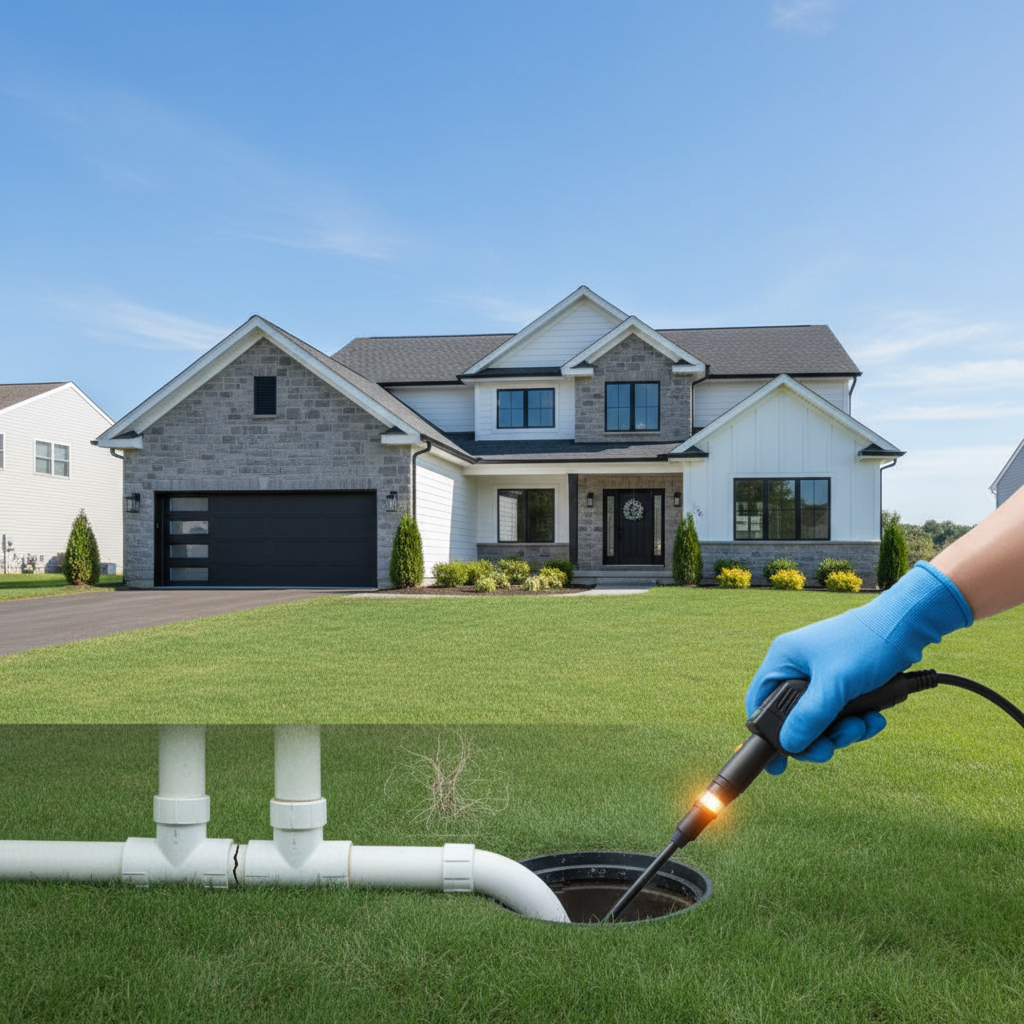
The process begins by locating a clean-out, which is an access point to the sewer system usually found in the basement, garage, or front yard. Our technicians use a high-resolution, waterproof camera attached to a long, flexible fiber-optic cable. This device is pushed through the pipe, sending a live feed back to a monitor where we can observe every inch of the pipe's interior.
As the camera travels toward the street, we look for several specific issues. We check for structural integrity, looking for cracks, holes, or collapsed sections. We also inspect the joints to ensure they are sealed and check the "pitch" of the pipe to ensure gravity is doing its job of moving waste away from the home. Improper pitch is a leading cause of chronic clogs, and it is something only a professional camera can accurately diagnose.
If we encounter a blockage or a break that needs immediate attention, NY Sewer Cam can use underground locating technology. By sending a signal from the camera head to a receiver on the surface, we can mark the exact spot and depth of the problem on your lawn or driveway. This precision prevents contractors from digging up your entire property just to find one localized break, potentially saving you thousands in landscaping restoration costs.
Common Findings and What They Mean
During a typical sewer line inspection, we categorize findings into minor, moderate, and severe. Minor findings might include light root growth or slight scaling in cast iron pipes. These are often manageable with routine maintenance. Moderate findings include things like "bellies" or offset joints where the pipes no longer line up perfectly. While not an immediate emergency, these issues require monitoring and may eventually need repair.
Severe findings are the red flags that require immediate action. These include complete pipe collapses, heavy root masses that have caused structural breakage, or significant "channelling" where the bottom of a cast iron pipe has completely eroded away. By identifying these issues early, NY Sewer Cam helps you avoid the health hazards and property damage associated with a sewer backup inside the living space.
Protecting Your Investment and Budget
When you schedule a service with NY Sewer Cam, you receive more than just a verbal summary. Our deliverables include a high-definition recorded video of the inspection, clear photos of any significant findings, and a digital summary. This documentation is invaluable for keeping in your home records or sharing with your insurance provider should you ever need to file a claim for underground utility damage.
For commercial building managers in Manhattan or Brooklyn, these inspections are a key part of preventative maintenance. Identifying a grease buildup or a sagging line in a multi-unit property can prevent the catastrophic water damage and lost revenue associated with a sewage backup in a commercial space. Regular inspections can identify "soft clogs" caused by grease or non-flushable wipes before they harden into a solid obstruction.
Ultimately, the goal is peace of mind. Whether you are a first-time home buyer or a seasoned property investor, understanding the health of your waste line is essential. By choosing an independent inspector, you ensure that the person looking at your pipes is focused solely on the truth of what the camera sees. Don't leave your underground infrastructure to chance; verify the condition of your home's most vital connection today.
NY Sewer Cam performs independent inspections and does not sell or perform sewer repairs. Inspection reach is up to approximately 230 feet, where access and pipe conditions permit. Prices vary by borough and property type.