This post is for informational purposes only. For professional assistance with your drainage system, contact a specialized inspection service.
Protecting Your Investment: The Essential Guide to Sewer Line Inspections
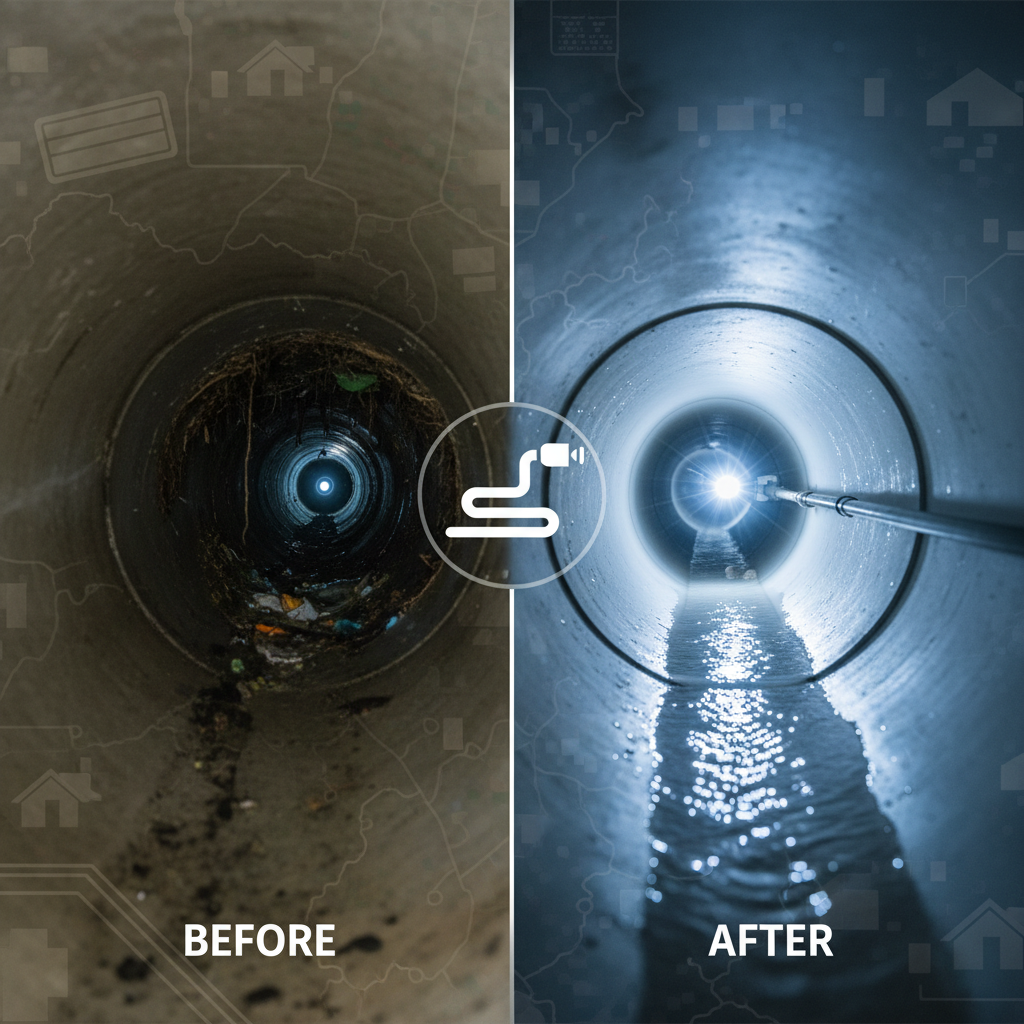
When you are buying a home, the excitement of new beginnings often overshadows the hidden components of the property. While a standard home inspection covers the roof, electrical, and HVAC systems, it rarely dives deep into the underground infrastructure. This is where a professional sewer scope becomes one of the most important steps in your real estate due diligence. By sending a high-definition camera through the main waste line, you can see the actual condition of the pipes before you sign the closing papers.
At NY Sewer Cam, we specialize in providing an unbiased assessment of your drainage system. Unlike traditional plumbing companies, we do not perform repairs. Our sole focus is on the assessment, ensuring that our findings are never influenced by the potential for a high-cost construction project. This independence is what sets NY Sewer Cam apart in an industry where repair upselling is common.
Homeownership is a significant financial commitment, and the subterranean systems are often the most neglected until a crisis occurs. A sewer camera inspection provides a literal window into the health of your home’s plumbing. Many buyers assume that if the toilets flush during a walkthrough, the system is functional. However, a pipe can be 90% blocked by roots or partially collapsed and still allow water to flow temporarily. Only a visual scan can confirm the structural integrity of the line.
What We Look for During a Camera Inspection
Modern technology has revolutionized how we understand pipe integrity. In the past, identifying a problem meant digging up the yard based on guesswork. Today, a sewer scope allows us to pinpoint issues with surgical precision. During a typical lateral sewer line scan, our technicians at NY Sewer Cam look for several common red flags that could lead to catastrophic failure.
Root intrusion is perhaps the most common issue we encounter. Tiny hairline cracks in clay sewer pipes often attract tree roots searching for moisture and nutrients. Over time, these roots can grow large enough to shatter the pipe or cause massive blockages. Even if a tree has been removed from the yard, the remaining root systems can continue to seek out the moisture inside your pipes for years.
Another major concern is the presence of bellies and sagging. If the ground shifts or was poorly compacted during original construction, a section of the pipe can sink, creating a "belly" where waste and water pool. This often leads to recurring backups because the system relies on a consistent downward slope to move solids. When the slope is lost, debris accumulates, eventually leading to a complete stoppage.
Cracks and corrosion are also high on our checklist, especially in older homes. Properties built before the 1970s often utilize cast iron or orangeburg pipes. Natural wear and tear, chemical exposure, and soil acidity can lead to structural failure or "channeling," where the bottom of the pipe literally rots away. Identifying these issues early can be the difference between a minor localized fix and a full-scale line replacement.
Finally, we look for offset joints. When sections of the pipe shift out of alignment due to soil settling or seismic activity, it creates a lip that catches debris. This misalignment often starts as a minor nuisance but eventually leads to a complete clog. By identifying an offset early, homeowners can often budget for repairs rather than facing an emergency mid-winter backup.
The Value of an Independent Assessment
One of the most frequent questions we receive is why a homeowner should choose a specialized inspection firm over a general plumber. The answer lies in the inherent conflict of interest found in the service industry. Many plumbing companies offer a low-cost sewer line inspection as a way to gain access to a property, hoping to find a reason to sell you a five-figure excavation or hydro-jetting service.
Because NY Sewer Cam only provides the video data and a digital summary, we have no incentive to "find" problems that don't exist. We provide the raw footage and a professional opinion on whether the line is clear or requires attention. This transparency is why many savvy home buyers and real estate attorneys insist on an independent sewer scope before finalizing their purchase. Our goal is to provide facts, not to generate repair leads.
An independent report also gives you significant leverage during price negotiations. If an inspection reveals $5,000 in necessary repairs, you can present the NY Sewer Cam report to the seller. Because we aren't trying to sell the repair ourselves, the report carries more weight as an objective third-party evaluation. It protects the buyer from inheriting a disaster and protects the seller from being overcharged by contractors looking for extra work.
What to Expect on Inspection Day
A standard sewer camera inspection is a non-invasive process. We typically access the system through a "cleanout"—a dedicated access point in the basement or yard. If a cleanout isn't available, we can often access the line through a pulled toilet or a roof vent. Our equipment is designed to be clean and efficient, ensuring we leave your home exactly as we found it.
The entire process usually takes about 45 to 60 minutes. We navigate the camera through the main waste line all the way to the municipal connection or the septic tank. Clients are encouraged to watch the live feed with us so we can explain what they are seeing in real-time. We believe that an educated homeowner is a better-protected homeowner, so we take the time to answer questions as the camera moves through the pipe.
Following the site visit, you receive a full digital report. This isn't just a brief email; it includes high-resolution video and photos of the pipe’s interior. We document the distance of every notable finding, so if a repair is eventually needed, a plumber will know exactly where to dig, saving you hours of labor costs. NY Sewer Cam ensures that you have a permanent record of your home's underground status.
The Risks of Overlooking the Main Line
Ignoring the main sewer line during a home purchase is a gamble that rarely pays off. Unlike a leaky faucet or a broken window, sewer issues are hidden and can be incredibly destructive. A single backup can cause thousands of dollars in water damage to a finished basement and create health hazards for your family. By the time you notice the water rising, the damage to your finances and your property is already done.
Furthermore, many municipal authorities are now holding homeowners responsible for the entire length of the lateral line, all the way to the middle of the street. If a collapse occurs under the asphalt, the homeowner may be responsible for the street repair costs as well. A preliminary sewer line inspection is the only way to mitigate this massive financial risk. It is a small price to pay for the security of knowing your new home is built on a solid foundation.
Protecting Your Peace of Mind
Repairing an underground sewer line is one of the most expensive hidden costs of homeownership. Whether you are a first-time buyer or a long-time resident noticing slow drains, a pipeline video inspection offers the clarity you need to make informed decisions. Identifying a small hairline crack today is much cheaper than dealing with a collapsed line five years from now.
Don't wait for a backup to occur—identify the health of your pipes today. NY Sewer Cam is here to provide the clarity and honesty you need to protect your investment. With our specialized equipment and dedicated focus on inspection, you can move forward with confidence, knowing exactly what lies beneath the surface.
Frequently Asked Questions
What exactly is a sewer scope inspection?
A sewer scope uses a high-definition waterproof camera on a flexible cable to inspect the internal condition of your main waste line. It identifies blockages, cracks, or root intrusions that are invisible from the surface, providing a clear picture of the pipe's health.
Why should I hire an independent inspector instead of a plumber?
Unlike plumbers who may use inspections to sell expensive repair jobs, we are independent. We only provide the assessment, meaning our results are unbiased and focused solely on giving you the facts without any pressure to buy additional services.
How much does a sewer camera inspection cost in Nassau County?
Pricing starts at $249. This includes the inspection (up to approximately 230 feet, where access and pipe conditions permit), recorded video and photos, and a digital summary of the findings. We believe in transparent pricing without hidden fees.
How long does the process take and when do I get results?
The physical inspection usually takes 30 to 60 minutes depending on the complexity of the access points. You will receive your digital summary and recorded footage shortly after the technician leaves the site, often the same day.
Do I need an inspection if the house is brand new?
Yes. It is surprisingly common to find construction debris, such as grout, lumber, or even tools, inside the sewer lines of new builds. Soil settling shortly after construction can also cause "bellies" or offsets in new PVC pipes.
Residential inspections start at $249 in Nassau County, Queens, and Staten Island. Brooklyn residential inspections start at $299, and Manhattan residential inspections start at $599. Manhattan commercial building inspections start at $1,200.