Purchasing a home is one of life’s most significant financial commitments, and ensuring the property is in sound condition is non-negotiable. While a standard home inspection covers visible aspects of a house—such as the roof, electrical systems, and foundation—it often stops where the ground begins. This is where a professional sewer camera inspection becomes a vital step in your due diligence. By using advanced video technology, specialists can get a clear view of the home's lateral sewer line to identify potential issues before they become high-stakes emergencies.
For residents across the New York area, NY Sewer Cam provides detailed insights into drainage health without the conflict of interest often associated with repair-focused plumbing companies. Whether you are searching for a sewer camera inspection in Nassau County or you require a complex commercial assessment in Manhattan, having an independent expert evaluate the pipes is the most effective way to protect your investment.
Understanding the Sewer Scope Process
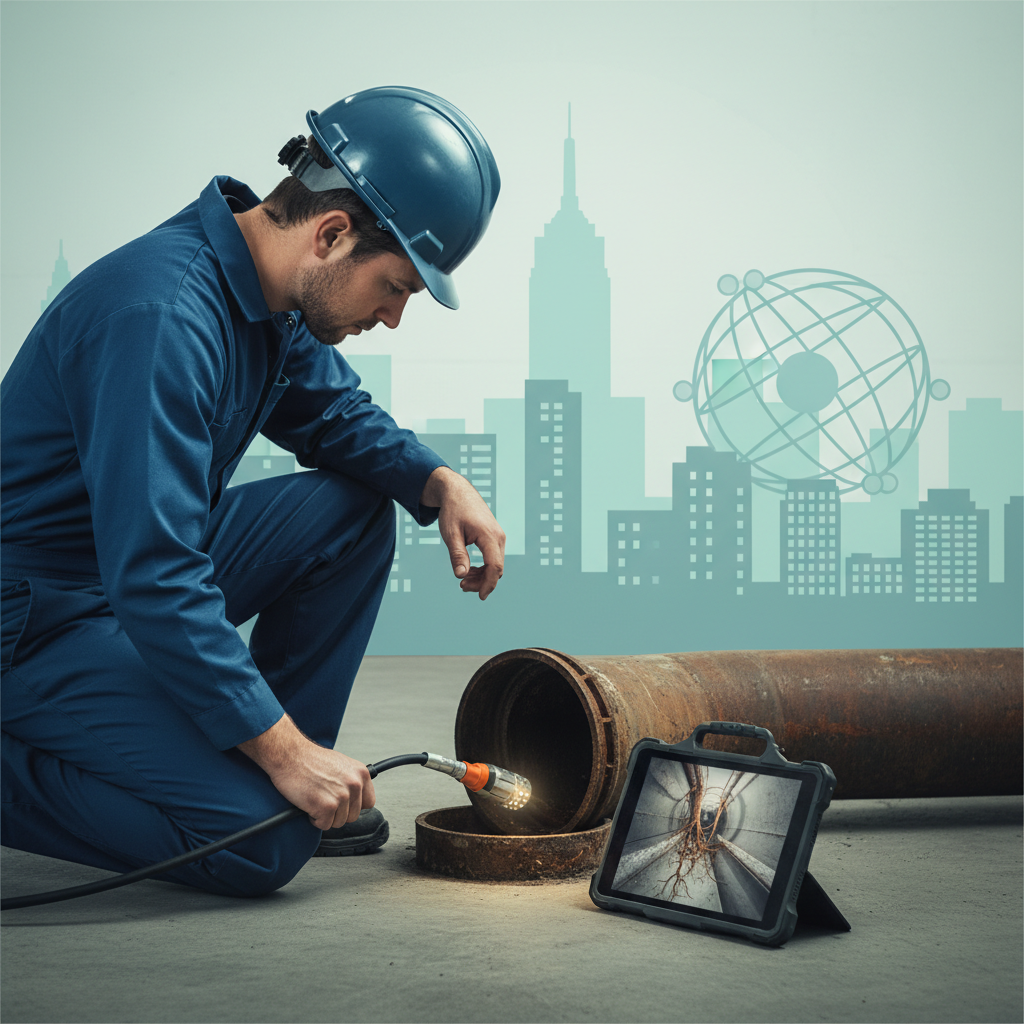
A sewer scope inspection involves inserting a high-resolution camera attached to a flexible, fiber-optic cable into the main sewer line. This allows a technician to navigate the pipe from the property’s cleanout point all the way to the municipal sewer connection. The camera transmits a live feed to a monitor, enabling the inspector to evaluate the internal condition of the pipes in real-time.
This process is designed to uncover common problems that are impossible to detect from the surface. During a standard home buyer sewer inspection, a technician looks for several specific red flags that could indicate future failure:
- Tree roots are naturally drawn to the moisture inside sewer lines. Over time, they can penetrate pipe joints, causing significant blockages or even pipe collapse.
- Older homes, particularly those in Brooklyn or Staten Island, may still have cast iron pipes that corrode and flake over time. This flaking, known as scaling, eventually restricts water flow and catches debris.
- If the ground shifts or was improperly compacted, a section of the pipe can sink. This creates a "belly" where waste and water collect, leading to chronic clogs.
- Structural failures in the pipe can lead to sewage leaks into the soil, which is both a health hazard and a massive repair expense for the property owner.
The Value of an Independent Assessment
One of the most important factors to consider is the motivation of the person performing the work. Many plumbing companies offer a sewer line inspection as a way to generate leads for their repair departments. Because NY Sewer Cam does not perform repairs, our clients receive a completely unbiased report. Our goal is simply to provide you with the facts about the pipe's condition so you can make an informed decision.
Residential inspections are competitively priced to ensure every home buyer has access to this critical information. In Nassau County, Queens, and Staten Island, services start at $249. For those purchasing property in Brooklyn, the starting rate is $299, while Manhattan residential inspections begin at $599. We also provide a comprehensive mainline camera service for Manhattan commercial buildings, starting at $1,200. These flat rates ensure there are no surprises during the closing process.
Local Challenges: From Brooklyn Brownstones to Manhattan High-Rises
The age of infrastructure in New York City presents unique challenges for homeowners. In Brooklyn, many brownstones still rely on original clay or cast iron lines that are now past their expected lifespan. A sewer camera inspection in Brooklyn often reveals decades of buildup or cracks caused by the heavy vibration of city traffic and subway lines. Identifying these issues early allows a buyer to negotiate repair credits or ensures the seller addresses the problem before the title transfers.
In Manhattan, the complexity increases. Commercial properties and high-density residential buildings often have intricate drainage systems that require specialized equipment to navigate. NY Sewer Cam utilizes high-reach technology to inspect lines that other companies might find inaccessible. Whether it is a grease buildup in a restaurant’s main line or construction debris in a new development, seeing the interior of the pipe is the only way to confirm its integrity.
What to Expect During the Inspection
The reach of a modern sewer camera inspection can extend up to approximately 230 feet, provided the access points and pipe conditions allow for it. This is typically more than enough distance to reach the city main from most residential properties. If a specific issue is found, underground locating technology can be used to pinpoint the exact spot in the yard or street where the problem exists. This precision saves thousands of dollars in unnecessary excavation costs by showing exactly where to dig.
Following the inspection, you are not just left with a verbal summary. NY Sewer Cam provides a recorded video of the entire process, high-resolution photos of any significant findings, and a digital summary that can be shared with sellers, real estate agents, or contractors. This level of transparency is vital for real estate negotiations and provides a permanent record of the pipe’s condition at the time of sale.
Why New Homeowners Should Never Skip This Step
Even in relatively new multi-family homes, construction debris like grout, wood scraps, or excess PVC cement can cause issues in the drainage system. Identifying a need for pipe descaling or a minor repair now can prevent a total system failure later. When you consider that a major sewer line replacement in New York can cost upwards of $10,000 to $20,000, the few hundred dollars spent on a professional sewer camera inspection is a minor price for peace of mind.
Beyond the financial aspect, there is the matter of health and hygiene. A backed-up sewer line is a nightmare scenario that can lead to significant property damage and mold growth. By hiring an independent firm like NY Sewer Cam, you ensure that you are getting a clear, honest picture of what is happening underground. You can move into your new home with the confidence that your plumbing is ready for years of service.
NY Sewer Cam performs independent sewer inspections and does not sell or perform sewer repairs. Inspection reach is up to approximately 230 feet, where access and pipe conditions permit. Deliverables include recorded inspection video, photos of significant findings, and a digital inspection summary. Underground locating is available when appropriate.
Frequently Asked Questions
How much does a sewer camera inspection cost in Queens?
In Queens, residential inspections start at $249. We believe in transparent pricing, so the quote you receive is what you will pay for the standard residential scope.
Why should I hire an independent inspector instead of a plumbing repair company?
An independent inspector provides an unbiased assessment because they have no financial stake in finding "problems" to fix. This eliminates the conflict of interest where a company might suggest unnecessary, expensive repairs just to secure a lucrative contract.
How far into the pipe can the camera go?
Our equipment can inspect the main lateral line from the property's cleanout point to the city sewer connection, reaching up to approximately 230 feet where pipe conditions permit.
What deliverables are included with the service?
Every client receives a recorded video of the inspection, high-resolution photos of any significant findings (such as cracks or roots), and a digital summary for their records.
Is a sewer scope necessary if I am buying a new multi-family home?
Yes. Even new builds can have issues. We frequently find construction debris, soil settling that has caused pipes to sag, or poor connections to the city main. A standard home inspection rarely covers the underground sewer line, making this a critical add-on for any buyer.
Does NY Sewer Cam handle commercial properties?
Absolutely. We provide specialized mainline camera services for Manhattan commercial buildings and other large-scale properties throughout the five boroughs and Nassau County.