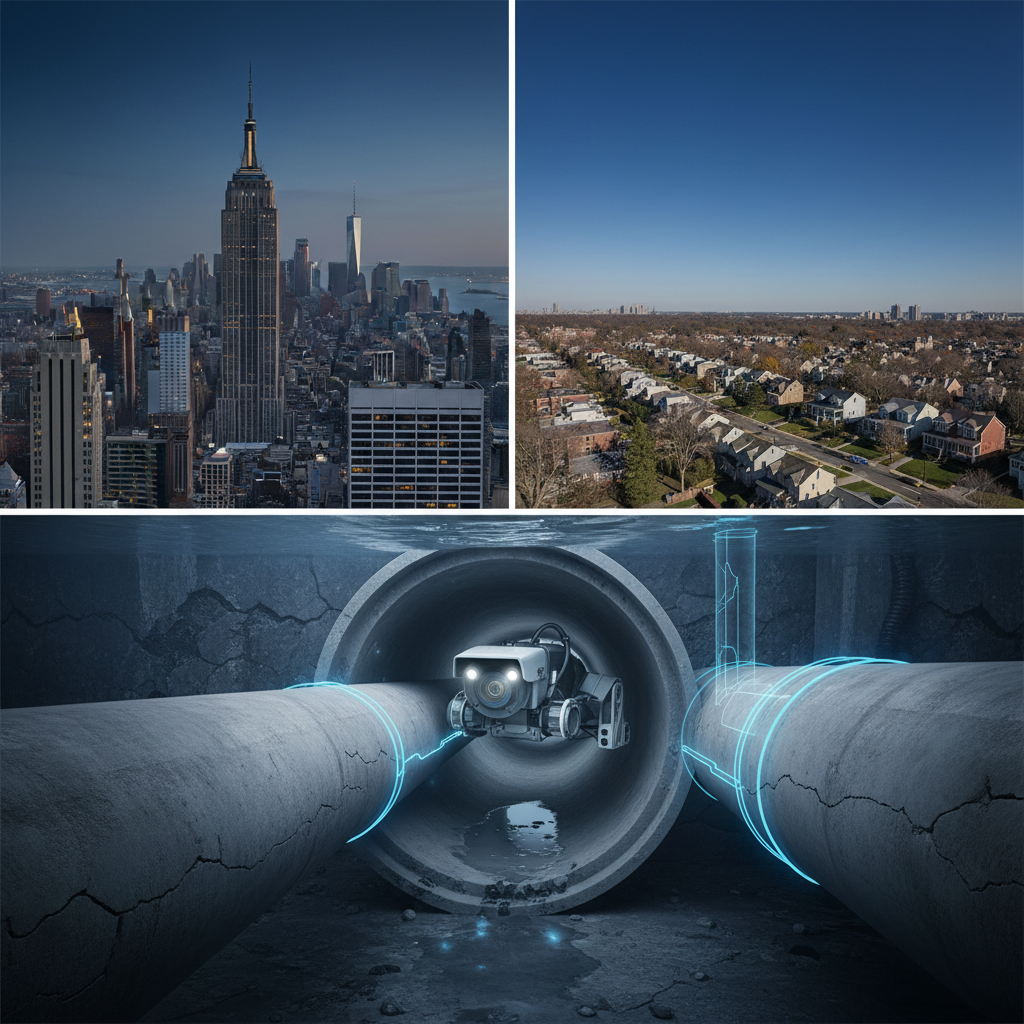
Buying a new home is one of the most significant investments you will ever make. While most people remember to check the roof, the HVAC system, and the foundation, one of the most critical components often goes overlooked: the underground sewer line. A professional home buyer sewer inspection is the only way to truly understand the health of the main waste line before you sign the closing papers.
Standard home inspections focus on visible aspects of a property, such as electrical panels and structural integrity. However, the pipes buried beneath the lawn or driveway are invisible to the naked eye. At NY Sewer Cam, we specialize in providing an independent sewer diagnostic to ensure your dream home does not come with a hidden nightmare. Because we focus exclusively on inspections and do not perform repairs, our clients receive an unbiased assessment of the property's plumbing health without the pressure of a sales pitch.
Why a Sewer Scope for Home Buyers is Essential
The cost of replacing a main sewer line in New York City or Nassau County can range from several thousand to tens of thousands of dollars. Discovering a collapsed pipe or a severe root intrusion after you have moved in is a financial blow that most new homeowners want to avoid. A pre-purchase sewer camera inspection acts as an insurance policy for your due diligence process. Without this look inside the pipes, you are essentially gambling on the integrity of infrastructure that may be over a century old.
In the competitive real estate markets of the Northeast, sellers are often eager to close quickly. However, skipping a sewer lateral inspection Nassau County or in the five boroughs can lead to immediate post-closing expenses. It is not uncommon for a line to function well enough for a family of two, only to fail completely when a larger family moves in and increases the water load on the system.
Common issues identified during a home buyer sewer inspection include:
- Tree Root Intrusion: Roots seek out moisture and enter pipes through tiny cracks or failed joints. Once inside, they feed on wastewater nutrients, eventually causing massive blockages and structural failure.
- Pipe Offsets and Bellies: Over time, the ground shifts due to settling or frost heaves. This causes sections of the pipe to disconnect (offsets) or sag (bellies). These low spots collect standing water and debris, leading to frequent backups.
- Corrosion and Scale: Older cast iron pipes, common in Brooklyn and Queens, can develop significant scale buildup. This rough interior surface narrows the passage and catches solid waste, creating chronic clogs.
- Structural Collapses: Materials like clay or Orangeburg are prone to collapsing under the weight of the soil above them or due to heavy vehicle traffic on the street above the line.
- Illegal Connections: Sometimes, an inspection reveals that downspouts or sump pumps are illegally tied into the sanitary sewer, which can lead to municipal fines or basement flooding during heavy rains.
Identifying these issues before you own the property gives you the leverage needed to protect your savings and negotiate with confidence.
The Advantage of Independent Inspection
When you search for a sewer camera inspection, you will find many plumbing companies that offer this service. However, there is a distinct advantage to hiring a specialized inspection firm like NY Sewer Cam. Traditional plumbers often use camera inspections as a loss leader—a way to generate leads for expensive repair services like hydro-jetting or pipe bursting. Their business model relies on finding work to do, which can sometimes lead to an exaggerated sense of urgency regarding minor flaws.
As independent inspectors, we have no financial incentive to find problems. Our goal is simply to provide a high-resolution video pipe inspection in NYC and surrounding areas so you have the facts. We do not sell the "fix," which means our reports are purely objective. If the line is clean and functional, we tell you exactly that. If there is a legitimate issue, you can use our digital summary to negotiate repair credits or ensure the seller fixes the problem before the title transfers.
This separation of interests is vital during a real estate transaction. A seller or their agent may be skeptical of a repair quote provided by a company that stands to profit from the work. However, an independent report from NY Sewer Cam carries significantly more weight at the negotiating table because it is a third-party diagnostic without a vested interest in the outcome. It establishes a baseline of truth that benefits both the buyer and the seller.
Understanding the Infrastructure Beneath Your Feet
Many homes in the five boroughs and Nassau County still rely on the original sewer laterals installed when the houses were built. Depending on the era of construction, you may be dealing with vastly different materials, each with its own set of risks.
Vitrified Clay Tile
In older neighborhoods, it is common to find vitrified clay tile pipes. While clay is remarkably durable against chemical erosion, it is brittle and prone to cracking at the joints. These joints were often sealed with cement or oakum, which degrades over time. Once a joint opens slightly, tree roots find their way in, expanding the gap until the pipe breaks or the roots completely fill the diameter of the pipe.
Orangeburg Pipe
In homes built between the 1940s and 1970s, you might encounter Orangeburg pipe. Made of wood pulp fibers sealed with coal tar, this material was a low-cost alternative to metal during wartime shortages. Today, Orangeburg is often reaching the end of its functional lifespan. These pipes frequently flatten into an oval shape under soil pressure or disintegrate entirely, necessitating a full replacement. A sewer scope for home buyers is the only way to identify if this problematic material is present.
Cast Iron and PVC
Cast iron was the standard for many decades. While strong, it is susceptible to internal rusting (tuberculation), which can snag debris. Modern homes or those that have undergone recent renovations may have PVC (plastic) lines. While PVC is excellent for preventing root intrusion, it can still suffer from improper installation, such as poor slope or disconnected joints if the bedding material wasn't packed correctly. Even in a newer house, a main line camera lateral scan is a smart precaution.
What to Expect During the Inspection Process
Our technicians use state-of-the-art equipment to perform a thorough main line camera lateral scan. The process is non-invasive and typically takes about an hour. We feed a waterproof, high-definition camera with self-leveling technology through the sewer cleanout. If a cleanout is not available, we can often access the line by temporarily pulling a toilet or using a house trap, ensuring we inspect the line all the way to the city main connection.
Our equipment can reach up to approximately 230 feet, where access and pipe conditions permit, providing a comprehensive view of the entire lateral pipe connecting your home to the municipal system. We aren't just looking for major breaks; we are looking for the early warning signs of trouble, such as standing water, grease buildup, or hairline cracks that could become major issues in the next few years. NY Sewer Cam provides same-day results whenever practical, giving you the facts you need within your due diligence window.
You will receive the recorded video footage and high-resolution photos via a digital link. During the inspection, we walk you through the live footage, pointing out the difference between a minor buildup and a catastrophic break. If we identify a problem area, we can also provide underground locating services. Using a sophisticated signal transmitter in the camera head, we can pinpoint the exact location and depth of a pipe defect from above ground. This prevents a plumber from having to dig up the entire yard just to find one small break, potentially saving thousands in unnecessary excavation costs.
Negotiation and Peace of Mind
In many cases, a home buyer sewer inspection reveals that the line is in great shape for its age. This provides immense peace of mind, knowing that you won't be surprised by a sewage backup in your first month of ownership. However, if problems are found, the inspection becomes your most valuable negotiating tool. Buyers can request that the seller pays for the repair, provides a closing credit, or performs a professional hydro-jetting to clear out roots.
Without the evidence provided by a video pipe inspection in NYC, the seller is unlikely to agree to these concessions. Having a clear video of a collapsed pipe or a massive root mass makes the issue undeniable. It moves the conversation from speculation to a factual discussion about the property's condition.
Protecting Your Investment
A home is more than just four walls; it is a complex system of utilities that must work in harmony. While a fresh coat of paint and new appliances are attractive, they won't matter if your basement floods with sewage a week after closing. Taking the time to schedule a specialized sewer check is a small step that offers massive long-term protection. Whether you are looking at a historic brownstone or a mid-century ranch, the underground infrastructure is a vital part of the value.
At NY Sewer Cam, we believe in transparency and education. We encourage buyers to be present during the inspection so they can see the interior of the pipes in real-time. This hands-on approach helps you understand the severity of any issues found and gives you the confidence to move forward with the purchase—or walk away if the repair costs are too high. Our mission is to provide the clarity you need to make the best decision for your family's future.
Note: NY Sewer Cam provides diagnostic camera services only. We are not licensed plumbers and do not perform repairs, cleaning, or maintenance services. Our reports are for informational purposes to help homeowners and buyers assess the condition of underground pipes.
Residential inspections start at $249 in Nassau County, Queens, and Staten Island. Brooklyn residential inspections start at $299, and Manhattan residential inspections start at $599. Manhattan commercial building inspections start at $1,200.